If fat loss feels frustrating, it’s often not because you lack effort. It’s because you’re choosing the wrong training “dose” for your body and your life. I’ve coached plenty of women who show up consistently, work hard, and still feel like the scale won’t budge. When we zoom in, one theme keeps showing up: the type of workout intensity matters, but so does whether you can recover and repeat it week after week.
The real question behind low intensity workout versus high intensity workouts is simple: which one helps you build the best overall fat loss routine for you, not just the session you can brag about?
What “intensity” really changes for your body
Intensity is not just how sweaty you feel. It shapes how your muscles produce energy, how hard your nervous system works, and how long it takes to bounce back.
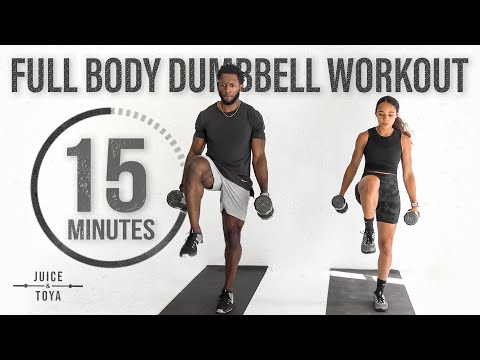
Low intensity work typically means you’re working at a pace where you can speak in full sentences. You’re still training, just with less strain. In practice, that often looks like brisk walking, steady cycling, easy rowing, incline walking that doesn’t spike your breathing, or slower incline treadmill work.
High intensity work pushes your breathing and effort higher. You might be doing intervals, circuits with minimal rest, or workouts that leave you huffing and feeling “worked.” These can be effective, but they also tend to demand more from recovery. For many women, that recovery piece is the difference between progress and feeling stuck.
Here’s the trade-off I see most often:
- High intensity can drive stronger short-term effort and a bigger “wow” feeling. Low intensity can build consistency, extend your total active time, and reduce how often you feel wiped out afterward.
When fat loss is the goal, consistency wins more often than people expect. Your body adapts to the work you repeat, and your adherence matters as much as the intensity label.
A lived reality check
One client I remember started with high intensity because she felt like she “should” do it. She’d push hard twice a week, then spend the rest of the week exhausted. Her steps fell, her cravings climbed, and she began dreading workouts. When we shifted the focus toward low intensity workout sessions most days, she stopped feeling crushed. She walked more, ate with less chaos, and her body composition started moving again.
That doesn’t mean high intensity is bad. It means the wrong ratio can steal your momentum.
Fat loss is about the whole week, not the hardest day
When people ask about the best workout intensity for fat burn, they’re usually imagining calories burned during the workout only. Calories burned low intensity can be lower per minute than calories burned during a hard interval session, but the bigger story is often total weekly energy expenditure plus lifestyle spillover.
Low intensity workouts tend to be easier to stack. You can do more of them without digging a recovery hole. That often leads to more total movement across the day. Even if you do “only” 40 minutes of easy-to-moderate work, that time can be absorbed more comfortably into your schedule and your nervous system.
High intensity workouts can be incredibly efficient, but the cost is usually higher recovery needs. If you do too much of it, you’ll start to compromise other movement, sleep quality, or stress resilience. Many women notice it as increased fatigue, heavier legs, or a subtle dip in motivation.
A practical way to think about it: fat loss benefits from training that you can repeat consistently while still living your life. If your high intensity plan makes you less active the rest of the day, you may be undoing part of the work you earned during the session.
Where women often get tripped up
A lot of women have busy schedules, high stress, or simply a limited recovery window. For them, the “best” intensity is often the one that protects energy for the rest of the week.
Also, women’s bodies tend to respond very noticeably to fatigue. Hormone fluctuations, sleep disruption, and overall stress can amplify how taxing hard training feels. If you ignore that and keep choosing workouts that spike recovery needs, fat loss can stall even when workouts are technically “hard enough.”
Low intensity workouts: why they work so well for many women
Low intensity workout plans are underrated because they don’t feel like a heroic effort. They feel like work you can actually do repeatedly. And that repetition is where fat loss momentum builds.
The main benefits tend to be:
Better adherence: you’re more likely to show up. Lower recovery cost: fewer days of feeling drained. Total time advantage: you can accumulate more minutes of movement. Joint friendly options: walking, cycling, and incline walking often feel sustainable. Steadier routine: it’s easier to plan around work, family, and stress.I usually steer women toward low intensity when they are returning from a break, juggling a demanding schedule, or simply tired of feeling sore every week. It’s also a strong choice if you notice that high intensity leaves you hungry, emotional, or stuck craving quick energy.
The “low intensity” details that matter
Low intensity is not the same as casual. The difference is the pace. A brisk walking pace that keeps you warm and slightly challenged works far better than a stroll 7 Minute Ageless Body Secret review that feels effortless.
If you’re doing fat loss low intensity exercises, focus on two things: consistency and progression.
A progression that works well for many women looks like one of these: - increase duration by 5 to 10 minutes over time - add a small incline if you’re using a treadmill - keep the pace the same but reduce rest, if your workout includes breaks
You don’t need to turn every session into an ordeal. You need it to be enough to create training stimulus, without draining your whole week.
High intensity workouts: where they fit, and who they suit best
High intensity workouts can be powerful for fat loss, mainly because they compress hard effort into shorter blocks. They can also add variety and mental clarity for women who feel bored on purely steady sessions.
But the key is dosing. High intensity is best when it’s strategic, not constant.
If you love high intensity, you can absolutely keep it in your plan, but you’ll want to protect recovery. For many women, that means limiting hard sessions to a small number each week and making sure the rest of the program is supportive, not punishing.

A simple way to judge if high intensity is helping
Ask yourself how your body responds after 24 to 72 hours. If you repeatedly feel heavy, irritable, unusually hungry in a hard-to-control way, or your sleep gets worse, that’s a sign the intensity is exceeding your current recovery capacity.
High intensity is more likely to women's health support fat loss when: - your overall steps and daily movement stay steady - your energy improves across the week, not declines - you can keep strength training and basic activity without constant soreness - your cravings don’t spiral after hard days
How to combine it without derailing the week
Some women do best with a “mostly low, small dose high” structure. That lets them benefit from the intensity, while still getting the repeatable consistency that supports fat loss.
Here’s a clean starting setup many women tolerate well, assuming no medical contraindications:
- 2 low intensity sessions of 30 to 45 minutes 1 longer low intensity session of 45 to 60 minutes 1 high intensity session that is shorter, with clear intervals and proper warm-up 2 to 4 lighter movement days through steps or easy cycling 1 full rest or mobility-focused day if recovery feels tight
That might sound modest compared to what you see online, but it’s built around reality: you can’t out-train fatigue, and you can’t recover from a plan that demands more than your life allows.
Which is best for fat loss: low, high, or a blend?
There isn’t a single winner that fits every woman. The best workout intensity for fat burn is the one that helps you sustain effort, maintain daily movement, and recover enough to keep showing up.
If you’re leaning toward “low vs high intensity workouts” as a decision, here’s an honest rule of thumb based on what I’ve seen work in real schedules:

- Choose mostly low intensity workout if you want better consistency, less soreness, and more total minutes of movement. Choose a blend if you enjoy challenge and want higher-effort sessions without sacrificing recovery. Choose more high intensity only if you respond well, recover quickly, and your daily activity doesn’t drop after hard days.
A quick self-check you can use this week
Think about your next 7 to 10 days. Which plan is more likely to keep you moving consistently without feeling wrecked?
If you’re uncertain, start with a blend for two or three weeks, then adjust based on how your body actually responds. Look at your energy, sleep, daily steps, and whether you can stick with the plan. Fat loss is rarely won by the workout that feels toughest. It’s won by the routine you can repeat long enough to see change.
And if you’ve been stuck, the shift is often simpler than you think. Many women find that low intensity workouts give them the foundation they needed all along, and then high intensity becomes a tool, not a punishment.